
Non-Surgical Joint Pain Solutions: Effective Ways to Relieve Pain Naturally
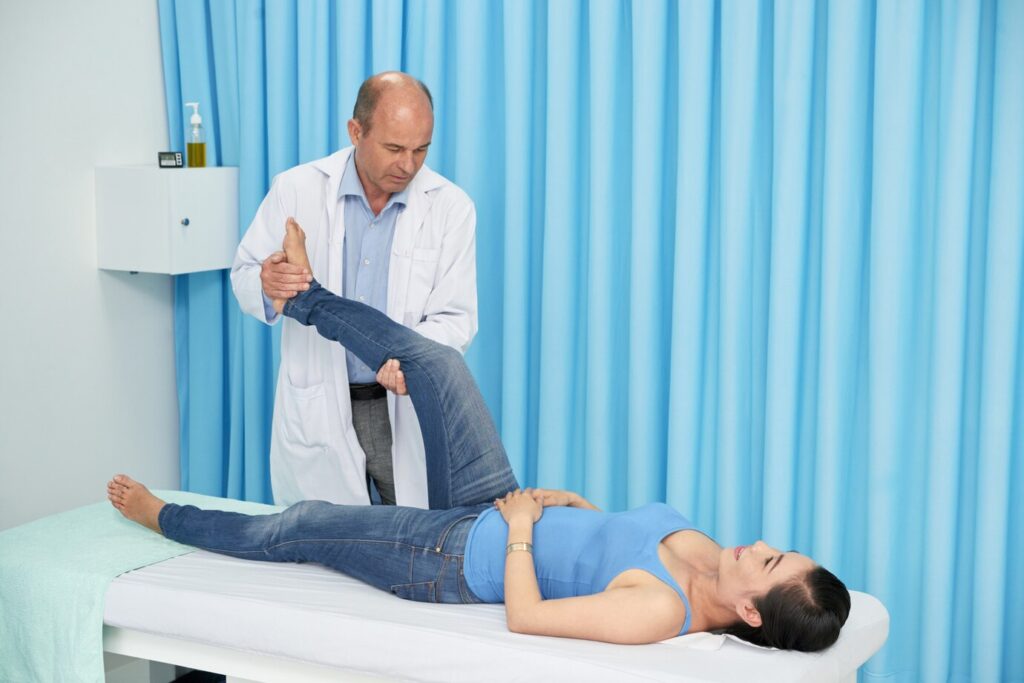
Joint pain is a common issue affecting people of all ages. Whether it’s caused by aging, an injury, arthritis, or lifestyle factors, joint pain can significantly impact daily activities. Many people believe surgery is the only solution for severe joint pain, but this is not always true. Non-surgical joint pain solutions offer effective ways to manage pain, improve mobility, and enhance overall joint health.
From physiotherapy and exercise to alternative treatments and lifestyle changes, several methods can help relieve joint pain without surgery. This blog will explore the best non-surgical joint pain solutions, their benefits, and why Dr. Ashish Tomar’s Physiotherapy Clinic is the best choice for effective, non-invasive treatments.
Understanding Joint Pain and Its Causes
Joint pain can occur in any part of the body where two or more bones meet. The most commonly affected areas include the knees, shoulders, hips, and spine.
Common Causes of Joint Pain:
- Osteoarthritis—A condition where cartilage wears down, leading to pain and stiffness.
- Rheumatoid arthritis—an autoimmune disorder causing inflammation and pain in joints.
- Injury & Trauma—Fractures, dislocations, or ligament injuries can cause joint pain.
- Overuse & Repetitive Strain—Continuous stress on joints leads to inflammation.
- Obesity—Excess weight increases pressure on weight-bearing joints, such as the knees..
- Post-Surgical Pain—Joint pain can persist even after surgery.
- Aging—Natural wear and tear of joints over time.
- Lack of Movement—A sedentary lifestyle weakens muscles, leading to joint pain.
Understanding the cause of joint pain helps determine the best non-surgical treatment options for relief.
Examples of Some Joint Pain and Their Non-Surgical Treatment Options
Different types of joint pain require specific treatments. Here are some common joint pain conditions and their non-surgical treatment options:
Knee Joint Pain: Causes and Non-Surgical Treatment Options
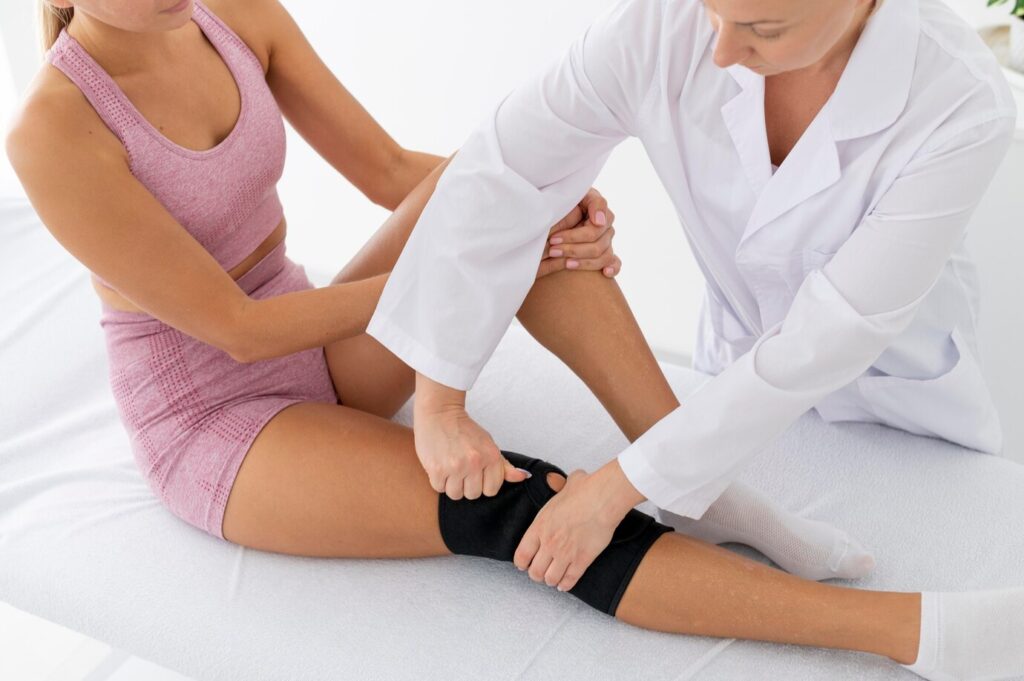
Knee pain is one of the most common joint problems affecting people of all ages. It can result from various causes, including degenerative conditions, injuries, or overuse. If left untreated, knee pain can limit mobility and negatively impact daily activities. Fortunately, non-surgical joint pain solutions like physiotherapy, lifestyle modifications, and pain management strategies can effectively reduce discomfort and improve knee function.
Causes of Knee Joint Pain
1. Osteoarthritis
Osteoarthritis is the most prevalent cause of knee joint pain, especially among older adults. It occurs due to the gradual breakdown of cartilage in the knee joint, leading to stiffness, swelling, and pain. This condition is progressive, meaning it worsens over time if not managed properly.
How Physiotherapy Helps:
- Knee pain physiotherapy treatment focuses on strengthening the muscles around the knee, which helps in reducing stress on the joint.
- Joint pain physical therapy treatment includes exercises that improve flexibility and mobility.
- Weight management plays a crucial role, as excess weight increases stress on the knee joint.
2. Ligament Injuries
Ligament injuries, such as ACL (anterior cruciate ligament) or MCL (medial collateral ligament) tears, are common among athletes and individuals involved in high-impact activities. These injuries can cause severe pain, swelling, and instability in the knee.
Non-Surgical Treatment Options:
- Knee pain physiotherapy exercises focus on strengthening the surrounding muscles to compensate for ligament weakness.
- Bracing and support help stabilize the knee during movement.
- Alternative treatment for joint pain, such as hydrotherapy, can assist in recovery without putting excessive strain on the joint.
3. Meniscus Tears
The meniscus is a cartilage cushion between the thigh bone and shin bone. Tears in the meniscus often result from sudden twisting movements or age-related degeneration. Symptoms include severe pain, swelling, and restricted knee movement.
Non-Surgical Joint Pain Treatment for Meniscus Tears:
- Physiotherapy for arthritis and meniscus injuries focuses on strengthening the quadriceps and hamstrings.
- Joint pain relief exercises improve range of motion and reduce stiffness.
- Non-invasive joint pain relief methods, such as ice therapy and ultrasound therapy, help manage pain and inflammation.
Effective Non-Surgical Treatment for Knee Joint Pain
- Knee Pain Physiotherapy Treatment:
- Helps restore mobility and reduce pain.
- Personalized exercise programs strengthen muscles and ligaments.
- Knee Pain Physiotherapy Exercises:
- Includes stretching, strengthening, and balance exercises.
- Improves knee function and prevents further injuries.
- Joint Pain Physical Therapy Treatment:
- Uses manual therapy, electrotherapy, and hydrotherapy to relieve pain.
- Targets the root cause of knee pain for long-term relief.
- Weight Management & Lifestyle Changes:
- Excess weight puts pressure on the knee joint, accelerating wear and tear.
- A combination of diet, low-impact exercise, and physiotherapy can improve knee health.
By following non-surgical knee pain relief treatments, individuals can avoid surgery and regain mobility naturally. If you’re experiencing persistent knee pain, visit Dr. Ashish Tomar Physiotherapy Clinic in Delhi to get a personalized rehabilitation plan tailored to your needs.
Shoulder Joint Pain: Causes and Non-Surgical Treatment

Shoulder pain is a common issue that affects mobility and daily activities. It can be caused by injuries, inflammation, or degenerative conditions. Instead of opting for surgery, non-surgical joint pain solutions like physiotherapy and targeted exercises can help in recovery.
Causes of Shoulder Joint Pain
- Frozen Shoulder (Adhesive Capsulitis)
- Stiffness and pain due to inflammation in the shoulder joint capsule.
- Common in people with diabetes or after prolonged immobilization.
- Rotator Cuff Injury
- Damage to the tendons/muscles around the shoulder joint.
- Causes weakness, pain, and limited movement.
- Bursitis
- Swelling and irritation of the fluid-filled sacs (bursae) that help cushion the shoulder joint.
- Leads to pain and swelling, especially with repetitive motion.
Non-Surgical Treatment for Shoulder Joint Pain
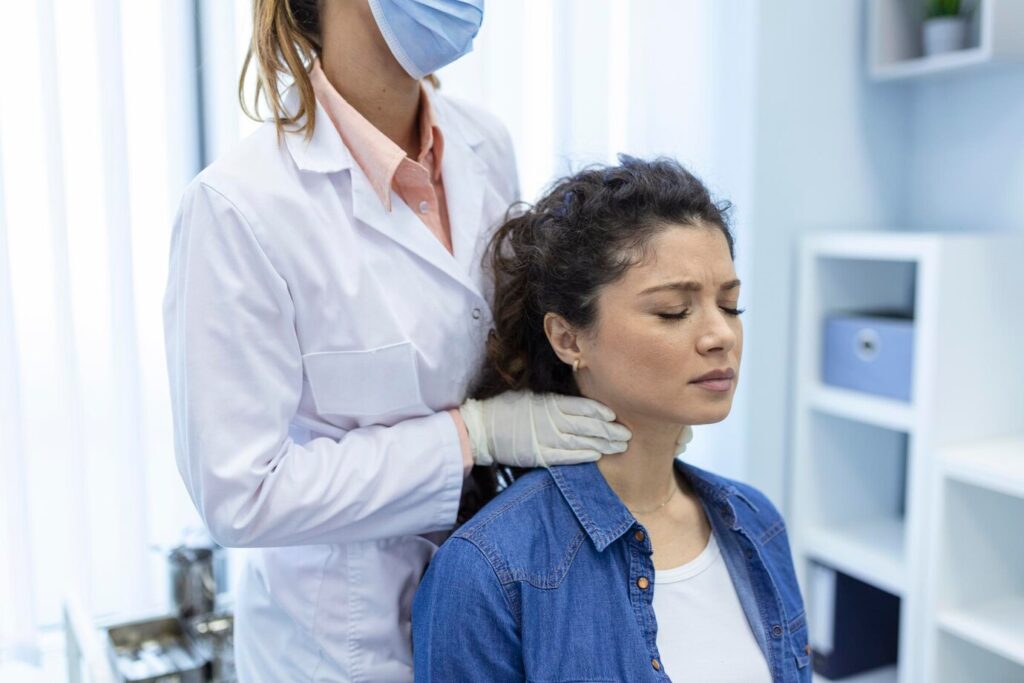
✅ Physiotherapy for Shoulder Pain:
- Involves joint pain physical therapy treatment to restore mobility and strength.
- Techniques like manual therapy, ultrasound therapy, and stretching are used.
✅ Mobility & Strengthening Exercises:
- Shoulder rotation, pendulum swings, and resistance band exercises improve flexibility.
- Strengthens the rotator cuff and surrounding muscles for better support.
✅ Alternative Treatment for Joint Pain:
- Cold & heat therapy reduces inflammation.
- Acupuncture, hydrotherapy, and chiropractic care help in pain relief.
Hip Joint Pain: Causes & Non-Surgical Treatment
Causes of Hip Joint Pain:
Hip Arthritis: Wear and tear of the cartilage leads to inflammation and stiffness.
Muscle Strain: Overuse or sudden movements cause muscle or tendon injuries around the hip.
Hip Bursitis: Inflammation of the bursae (fluid-filled sacs) leads to pain and tenderness.
Non-Surgical Treatment Methods:
Manual Therapy: Hands-on techniques like massage and joint mobilization improve movement and reduce pain.
Stretching Exercises: Helps maintain flexibility, reduces stiffness, and prevents further strain.
Holistic Joint Pain Therapies: Includes acupuncture, hydrotherapy, and herbal remedies to manage pain naturally.
Spinal Joint Pain: Causes & Non-Surgical Treatment
Spinal joint pain refers to discomfort or stiffness in the joints of the spine, which can affect mobility and quality of life. It may be caused by age-related degeneration, injuries, or underlying medical conditions.
Causes of Spinal Joint Pain:
- Herniated Discs:
- The spine is made up of intervertebral discs that function as cushions between the vertebrae.
- When a disc slips out or ruptures, it can press on nearby nerves, causing pain, numbness, and weakness.
- It is frequently found in the lower back (lumbar spine) and the neck (cervical spine).
- Spondylosis (Spinal Osteoarthritis):
- A degenerative condition where the cartilage in the spinal joints wears down over time.
- Leads to stiffness, pain, and reduced flexibility, often worsening with age.
- Can affect the cervical (neck), thoracic (mid-back), or lumbar (lower back) spine.
- Sciatica:
- Occurs when the sciatic nerve (running from the lower back down the legs) is compressed or irritated.
- Causes sharp pain, tingling, or numbness that radiates down one leg.
- Often linked to herniated discs, spinal stenosis, or muscle tightness.
Non-Surgical Treatment Methods:
- Chiropractic Care:
- A chiropractor performs spinal adjustments to improve alignment, relieve pressure on nerves, and reduce pain.
- Helps in increasing spinal mobility and improving posture.
- Often combined with massage therapy for better results.
- Core Strengthening Exercises:
- Strengthening the core muscles (abdomen and lower back) provides better support to the spine.
- Reduces strain on spinal joints and prevents further damage.
- Includes exercises like planks, bridges, and controlled stretching.
- Physiotherapy:
- A structured rehabilitation program designed to improve flexibility, strength, and posture.
- Techniques such as ultrasound therapy, electrical stimulation, and manual therapy help reduce pain.
- Personalized exercises focus on restoring spinal function and preventing future injuries.
Best Physiotherapy Techniques for Non-Surgical Joint Pain Solutions
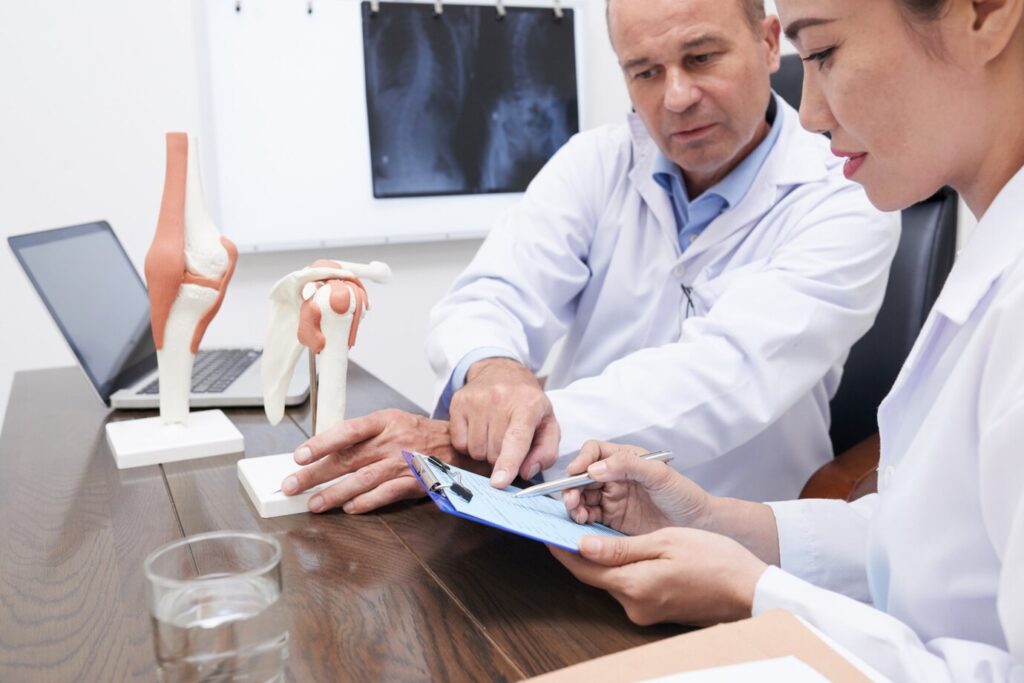
Physiotherapy is one of the most effective non-surgical joint pain treatments. Some advanced physiotherapy techniques include:
1. Manual Therapy
- A hands-on approach where therapists use massage, joint mobilization, and stretching techniques.
- Improves joint flexibility, reduces stiffness, and enhances mobility.
2. Electrotherapy
- Utilizes gentle electrical currents to activate nerves and muscles.
- Helps reduce inflammation, improve circulation, and relieve joint pain.
3. Ultrasound Therapy
- Involves deep heat waves to penetrate tissues and improve blood flow.
- Helps in reducing muscle stiffness and speeding up healing.
4. Shockwave Therapy
- A non-invasive treatment using sound waves to target chronic pain areas.
- Breaks down scar tissue, improves circulation, and promotes healing.
5. Cold & Heat Therapy
- Cold Therapy (Ice Packs): Reduces swelling and inflammation in painful joints.
- Heat Therapy (Warm Packs): Relaxes stiff muscles and improves flexibility.
6. TENS Therapy (Transcutaneous Electrical Nerve Stimulation)
- Uses low-voltage electrical impulses through electrodes placed on the skin.
- Blocks pain signals to the brain and stimulates endorphin release for pain relief.
These therapies provide effective, non-surgical relief for joint pain, improving mobility and quality of life.
Benefits of Physiotherapy for Joint Pain
✅ Non-invasive—No surgery, no hospital stays, no long recovery periods.
✅ Cost-effective—much cheaper than surgical procedures.
✅ Customized Treatment—Therapy plans are tailored for each patient.
✅ Long-term Relief—Addresses the root cause, not just symptoms.
✅ Safe & Natural—No harmful side effects like painkillers or steroids.
Effective Home Exercises for Joint Pain Relief
1. Strengthening Exercises:
These exercises help build muscle support around the joints, reducing stress and improving stability.
- Squats:
- Targets knee joints by strengthening the quadriceps, hamstrings, and glutes.
- Helps in improving knee stability and reducing joint strain.
- Leg Raises:
- Enhances hip and knee mobility while reducing stiffness.
- Strengthens thigh muscles, improving joint function.
2. Stretching Exercises:
Stretching increases flexibility, reduces stiffness, and relieves tension in the joints.
- Neck Tilts:
- Eases tension in the cervical spine, reducing neck stiffness and discomfort.
- Improves posture and range of motion.
- Shoulder Rolls:
- Enhances shoulder flexibility and reduces stiffness.
- Helps relieve tension from prolonged sitting or poor posture.
These exercises, when done regularly, can help reduce joint pain, improve mobility, and enhance overall joint health.
Other Non-Surgical Treatments for Joint Pain

1. Chiropractic Care
- A hands-on treatment where chiropractors adjust the spine and joints to improve alignment.
- Helps reduce pressure on nerves, correct posture, and relieve joint stiffness.
- Especially beneficial for back, neck, and hip pain.
2. Acupuncture
- A traditional Chinese therapy that involves inserting thin needles into specific points on the body.
- Stimulates nerves and muscles to promote natural healing and reduce inflammation.
- Commonly used for arthritis, back pain, and knee pain.
3. Massage Therapy
- Involves applying pressure and movement techniques to muscles and soft tissues.
- Improves blood circulation, relaxes tight muscles, and enhances joint flexibility.
- Helps reduce pain caused by stress, tension, or injury.
Why Surgery is Not Always the Best Option for Joint Pain
Surgery should be the last resort for joint pain. Here’s why:
- Long Recovery Time—Post-surgery rehab can take months.
- Expensive—Surgery and hospitalization are costly.
- Risks & Complications—Risk of infection, blood clots, and unsuccessful outcomes.
- Not Always Necessary—Many joint problems can be treated without surgery.
Preventing Joint Pain: Long-Term Strategies for Healthy Joints
Joint pain can significantly impact daily life, but adopting healthy habits can help keep joints strong and pain-free. Here are some long-term strategies to maintain joint health:
1. Maintain a Healthy Weight
Excess weight puts extra pressure on joints, especially the knees, hips, and spine. Maintaining a balanced weight reduces stress on these joints, preventing wear and tear.
2. Exercise Regularly
Strengthening exercises, such as squats and leg raises, help build muscles that support the joints. Low-impact activities like swimming and walking improve flexibility and reduce stiffness.
3. Eat an Anti-Inflammatory Diet
Certain foods help reduce inflammation, which is a major cause of joint pain. Include:
- Omega-3 fatty acids (found in fish and flaxseeds) to support joint lubrication.
- Turmeric for its anti-inflammatory properties.
- Leafy greens to provide essential vitamins for bone and joint health.
4. Stay Hydrated
Water is essential for joint lubrication and cartilage health. Drinking enough fluids helps maintain flexibility and prevents joint stiffness.
5. Avoid Repetitive Stress
Repeating the same movements can strain joints over time. Take frequent breaks, use ergonomic tools, and practice good posture to reduce unnecessary joint stress.
Why Choose Dr. Ashish Tomar’s Physiotherapy Clinic for Joint Pain Treatment?
Dr. Ashish Tomar’s clinic is a trusted physiotherapy clinic near me for comprehensive neck pain treatment. We specialize in advanced physiotherapy techniques that provide long-term relief.
🏥 Experienced Physiotherapists—Specialized in non-surgical joint pain solutions.
💡 Advanced Treatment Techniques—Manual therapy, electrotherapy, ultrasound therapy.
📍 Personalized Treatment Plans—Customized exercises & therapy for each patient.
✅ Proven Results—Helping thousands of patients achieve pain-free movement.
At Dr. Ashish Tomar’s clinic, we offer expert treatments to help you relieve joint pain through specialized physiotherapy techniques.
Frequently Asked Questions (FAQs) About Joint Pain and Physiotherapy
Can joint pain be cured permanently without surgery?
It depends on the cause. Physiotherapy, lifestyle changes, and dietary improvements can help in long-term pain relief.
How long does it take for physiotherapy to relieve joint pain?
Results vary, but most people see improvement within a few weeks of regular sessions.
Is physiotherapy painful?
No, physiotherapy should not cause pain. Some discomfort is normal, but it should not be unbearable.
Can I do physiotherapy at home?
Yes, but it is best to consult a professional physiotherapist before starting home exercises.
What foods help reduce joint pain?
Anti-inflammatory foods like turmeric, fish oil, green leafy vegetables, and nuts are beneficial.
Can physiotherapy help in arthritis pain?
Yes, physiotherapy is highly effective in managing arthritis pain and improving mobility.
How often should I do physiotherapy for joint pain?
It depends on the severity of the pain. Usually, 2-3 sessions per week are recommended.
Does weight loss help in joint pain?
Yes, losing extra weight reduces strain on joints, especially in the knees and hips.
What is the best exercise for knee pain relief?
Low-impact exercises like swimming, cycling, and strengthening exercises help in knee pain relief.
Is walking good for joint pain?
Yes, walking is a great low-impact exercise that keeps joints mobile and reduces stiffness.