
Neck Pain Physiotherapy Treatment: Effective Relief Without Surgery
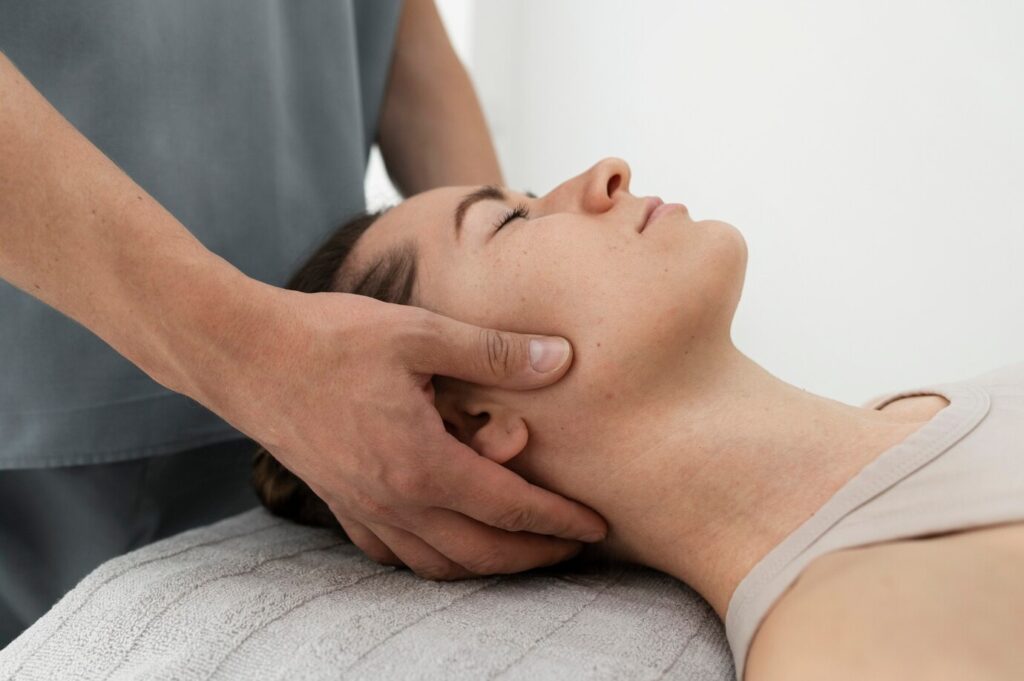
Neck pain is a widespread problem that can affect individuals of all age groups. Whether caused by bad posture, muscle strain, or medical conditions like cervical spondylosis, neck pain can interfere with daily activities and reduce quality of life. Many people search for neck pain physiotherapy treatment to find relief without relying on surgery or medication.
Physiotherapy is one of the best non-surgical treatments for neck pain. It includes targeted exercises, manual therapy, and posture correction techniques that help in pain relief, mobility improvement, and long-term recovery. At Dr. Ashish Tomar’s physiotherapy clinic in Delhi, we offer customized physiotherapy programs to treat various neck conditions and help patients regain a pain-free life.
In this blog, we will discuss the common causes of neck pain, how physiotherapy helps in treatment, and the best physiotherapy exercises for different neck conditions.
Causes of Neck Pain: From Muscle Strain to Serious Conditions

Symptoms of Neck Pain
- Stiffness and reduced range of motion
- Sharp or dull pain in the neck and shoulders
- Headaches originating from the neck
- Numbness or tingling in arms due to nerve compression
Risk Factors That Can Worsen Neck Pain
- Poor posture while working or sleeping
- Sedentary lifestyle with limited physical activity
- Excessive screen time causing ‘text neck syndrome’
- Previous neck injuries or whiplash
Cervical Spondylosis and Physiotherapy Treatment
Cervical spondylosis is a degenerative condition that affects the cervical spine. It can cause stiffness, pain, and reduced mobility. Physiotherapy strength training programs help in relieving stiffness and strengthening the neck muscles.
How Physiotherapy Helps in Neck Pain Recovery
- Manual therapy techniques to improve flexibility
- Postural correction to prevent future pain
- Resistance training in physiotherapy to strengthen muscles
How Bad Posture Leads to Chronic Neck Pain

Incorrect posture, such as slouching or looking down at screens for extended periods, puts excessive strain on the neck. Physiotherapy helps by:
- Teaching ergonomic corrections.
- Strengthening postural muscles.
- Releasing tight muscles through soft tissue mobilization.
Postural Correction Techniques in Physiotherapy
- Ergonomic adjustments for workstations
- Strength training exercises to build muscle support for the neck
- Regular breaks to prevent muscle fatigue
Pinched Nerve in the Neck: Symptoms and Relief Strategies

A pinched nerve occurs when surrounding tissues apply pressure to the nerve roots, leading to pain, tingling, or weakness.
Effective Physiotherapy Techniques for Muscle Growth in the Neck
- Nerve gliding exercises to release pressure
- Strengthening exercises to stabilize the affected area
- Heat and cold therapy for pain relief
Whiplash Injury: Physiotherapy Treatment and Recovery
Whiplash occurs due to sudden neck movements, often in car accidents. Physiotherapy can help through:
- Pain management techniques such as heat and ice therapy.
- Gradual stretching and strengthening exercises.
- Soft tissue therapy to reduce inflammation.
Text Neck Syndrome: A Growing Concern in the Digital Age
Constantly looking down at phones and laptops strains neck muscles. To prevent and treat text neck syndrome, physiotherapy includes:
- Postural awareness training.
- Strengthening exercises for the upper back and neck.
- Ergonomic adjustments for better screen positioning.
Cervical Radiculopathy: How Physiotherapy Can Help
Cervical radiculopathy occurs when nerve roots in the neck are compressed. Physiotherapy treatments include:
- Decompression exercises to relieve pressure.
- Manual therapy for spinal alignment.
- Postural correction to prevent further nerve compression.
How Stress Contributes to Neck Pain and Physiotherapy Solutions

Stress can cause muscle tightness and pain in the neck region. Physiotherapy exercises for muscle development help release tension and improve circulation.
Lifestyle Tips to Prevent Neck Pain
- Practice relaxation techniques such as yoga or meditation
- Regular physical activity to maintain muscle flexibility
- Adequate hydration to prevent muscle stiffness
Torticollis: Understanding This Painful Neck Condition
Torticollis causes involuntary neck muscle contractions, leading to stiffness and discomfort. Physiotherapy management includes:
- Stretching exercises to improve mobility.
- Manual therapy for muscle relaxation.
- Strengthening exercises for long-term relief.
Frozen Shoulder vs. Stiff Neck: Key Differences and Treatment
While frozen shoulder and a stiff neck both cause discomfort, they require different treatments. Physiotherapy addresses:
- Shoulder mobility exercises for frozen shoulder.
- Neck flexibility exercises for a stiff neck.
- Strength training to prevent recurrence.
Best Sleeping Positions for Preventing Neck Pain

Sleeping posture significantly impacts neck health. Physiotherapists recommend:
- Using a supportive pillow to maintain neck alignment.
- Sleeping on the back or side instead of the stomach.
- Gentle stretching before bed to relax neck muscles.
Common Neck Injuries in Athletes and Physiotherapy Interventions
Athletes often experience neck injuries due to high-impact sports. Physiotherapy helps by:
- Implementing injury prevention exercises.
- Providing rehabilitation programs for recovery.
- Strength training to enhance muscle stability.
Cervicogenic Headache: When Neck Pain Causes Headaches
Neck pain can lead to cervicogenic headaches. Physiotherapy treatments include:
- Spinal mobilization for pain relief.
- Trigger point therapy to release tight muscles.
- Postural training to prevent future headaches.
Best Physiotherapy Exercises for Neck Pain

Stretching Exercises for Neck Relief
- Neck tilts: Slowly tilt your head side to side to release tension.
- Chin tucks: Helps align the spine and improve posture.
- Shoulder shrugs: Reduces tightness in the upper back.
Strengthening Exercises for Neck Stability
- Isometric neck exercises: Hold gentle resistance against hand pressure.
- Resistance band exercises: Strengthen neck and shoulder muscles.
- Scapular retraction: Improves posture and reduces neck strain.
Postural Correction Techniques
- Ergonomic workspace adjustments.
- Strengthening core and back muscles.
- Maintaining a neutral neck position throughout the day.
Physiotherapy Exercises to Improve Neck Mobility

Neck mobility exercises help maintain flexibility and prevent stiffness. Physiotherapy strength training programs include:
- Chin tucks to improve posture
- Shoulder blade squeezes for upper back support
- Gentle neck rotations to improve range of motion
Why Choose Dr. Ashish Tomar’s Physiotherapy Clinic for Neck Pain Treatment?
Dr. Ashish Tomar’s clinic is a trusted physiotherapy clinic near me for comprehensive neck pain treatment. We specialize in advanced physiotherapy techniques that provide long-term relief.
Our Approach: Personalized Strength Training & Rehabilitation
- Customized treatment plans based on individual needs
- Combination of manual therapy and strength training exercises to build muscle
- Latest physiotherapy methods for non-surgical pain management
Frequently Asked Questions!
Can physiotherapy completely cure neck pain?
Yes, physiotherapy can significantly reduce neck pain by improving mobility, strengthening muscles, and correcting posture. However, the duration of recovery depends on the severity of the condition.
How many physiotherapy sessions are needed for neck pain relief?
The number of sessions varies based on the cause and severity of neck pain. Mild cases may improve in 3-5 sessions, while chronic conditions may require ongoing treatment.
Is physiotherapy safe for severe neck pain?
Yes, physiotherapy is a safe and effective treatment for severe neck pain, especially when performed by a trained physiotherapist. It helps reduce pain without surgery or medications.
What are the best physiotherapy exercises for neck pain?
Stretching exercises, neck rotations, chin tucks, and strengthening exercises for the trapezius and cervical muscles are commonly recommended for neck pain relief.
Can poor posture cause chronic neck pain?
Yes, poor posture, such as slouching or prolonged screen time, can strain neck muscles, leading to chronic pain. Physiotherapy helps correct posture to prevent pain.
Does physiotherapy help with cervical spondylosis?
Yes, physiotherapy is highly effective in managing cervical spondylosis by improving flexibility, reducing stiffness, and strengthening neck muscles to provide long-term relief.
How does physiotherapy treat a pinched nerve in the neck?
Physiotherapy treatments like manual therapy, nerve gliding exercises, and postural correction can relieve pressure on the nerve and reduce pain.
Can neck pain lead to headaches?
Yes, cervicogenic headaches are caused by neck issues such as muscle tension, poor posture, or nerve compression. Physiotherapy can help alleviate both neck pain and headaches.
Is physiotherapy useful for whiplash injuries?
Yes, physiotherapy plays a crucial role in whiplash recovery by reducing pain, restoring neck mobility, and strengthening muscles to prevent future injuries.
Can physiotherapy help with text neck syndrome?
Yes, physiotherapy focuses on stretching and strengthening exercises to counteract the effects of prolonged screen use, improving posture and reducing neck strain.
What is the role of manual therapy in neck pain treatment?
Manual therapy includes hands-on techniques like mobilization and soft tissue massage to improve movement, reduce stiffness, and relieve pain.
Does physiotherapy help with post-surgery neck recovery?
Yes, post-surgery physiotherapy is essential for restoring strength, mobility, and function while preventing complications like stiffness and muscle weakness.
Can physiotherapy help athletes with neck pain?
Yes, physiotherapy helps athletes recover from neck injuries, improve muscle strength, and prevent future injuries through specialized rehabilitation programs.
Is home physiotherapy effective for neck pain?
Yes, home physiotherapy exercises, when done correctly, can help relieve neck pain. However, consulting a physiotherapist ensures a personalized and effective treatment plan.
When should I see a physiotherapist for neck pain?
If neck pain persists for more than a few days, worsens over time, or is accompanied by headaches, numbness, or dizziness, consult a physiotherapist for proper evaluation and treatment.